
Is Pursuit of Happiness a Trap?

The Pursuit of Happiness Is a Trap
There is a sentence that has shaped an entire generation’s approach to life decisions — careers chosen, marriages entered, businesses started, paths abandoned.
“Just follow what makes you happy.”
It sounds wise. It sounds kind. It sounds like the advice of someone who wants the best for you.
I want to suggest, respectfully but directly, that it is one of the most misleading ideas we have inherited from modern culture — and that for many people, following it has quietly led them away from the very thing they were searching for.
The Happiness Trap
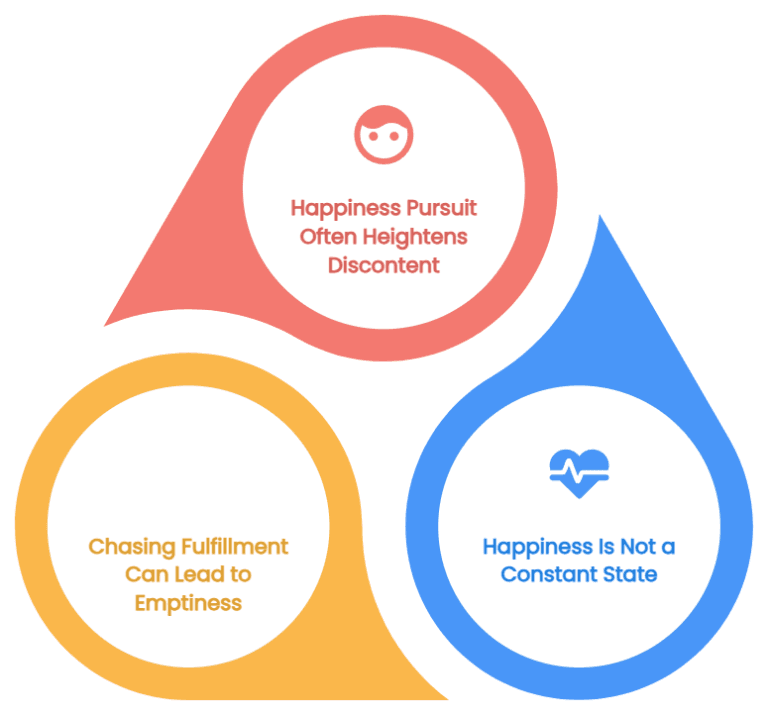
Here is the problem with making happiness your north star: happiness is not a destination. It is a response. It is what happens inside you when certain conditions are met — when things go well, when needs are fulfilled, when the moment is pleasant. It is real. It is good. But it is not stable, it is not permanent, and it cannot be manufactured by choosing the right job or the right partner or the right city.
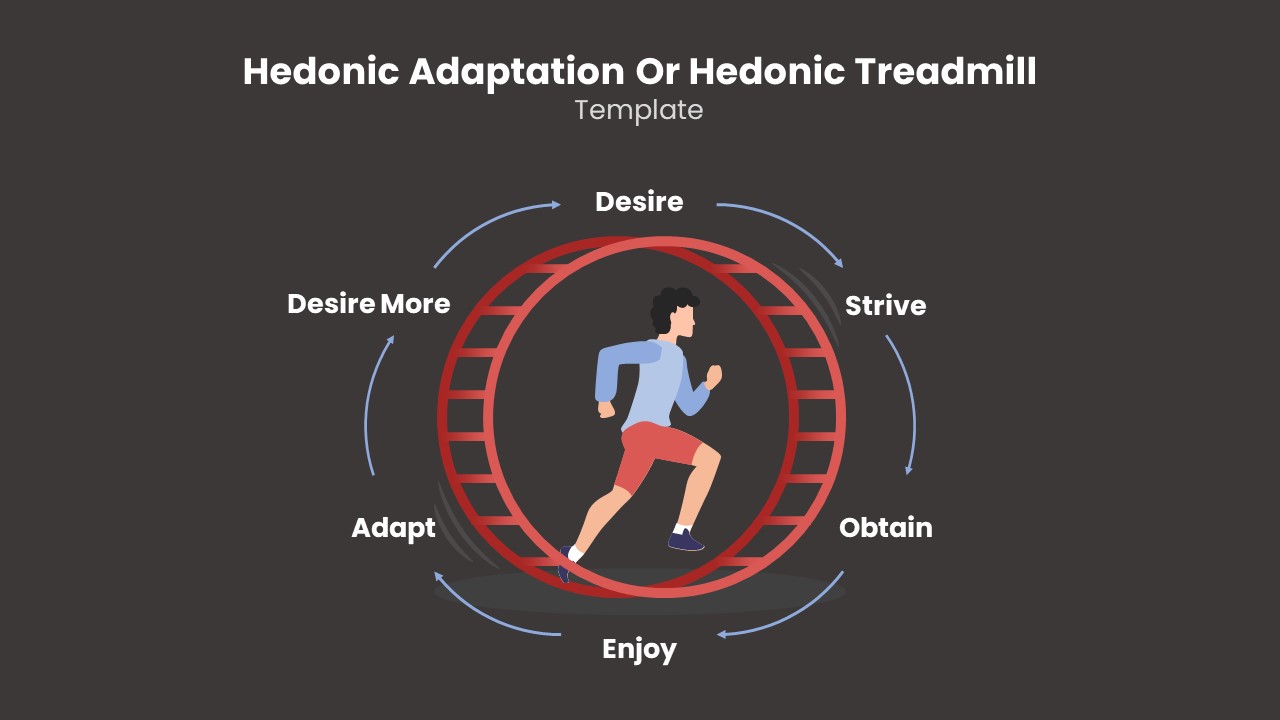
Psychologists have studied this phenomenon for decades. The research is remarkably consistent: people dramatically overestimate how much their life choices will affect their long-term happiness. We think the promotion will make us happy — it does, for a few weeks. We think the new house will make us happy — it does, until it becomes simply the house we live in. We think escaping a difficult situation will bring happiness — sometimes it does, until the next difficult situation arrives. This is what researchers call the hedonic treadmill — we keep walking, the scenery keeps changing, but the feeling of arrival never quite comes.
And yet we keep optimising for happiness. We keep asking ourselves: does this make me happy? We keep choosing, changing, and abandoning based on the answer.
What Happiness-Chasing Actually Produces
When happiness becomes the primary criterion for a major life decision, a few things happen that we rarely talk about.
It makes you extraordinarily difficult to satisfy. Because happiness fluctuates — even in the best circumstances — a happiness-focused person begins to interpret every difficult season as evidence that they made the wrong choice. The marriage gets hard — maybe I married the wrong person. The career gets tedious — maybe I chose the wrong path. The business hits a wall — maybe this was not meant for me. The pursuit of happiness breeds a restlessness that no amount of good choices can cure, because the problem was never the choice. It was the criterion.
It narrows your vision to the self. Happiness, at its core, is a personal feeling. When it becomes your primary goal, your decisions orbit around you — what feels good to me, what fulfils me, what makes me comfortable. This is not inherently wrong, but it is profoundly limited. The greatest human beings who ever lived — the Prophets, the scholars, the builders, the reformers — were not optimising for their own comfort. They were oriented toward something larger than themselves. And paradoxically, that orientation is what gave their lives a quality of inner richness that happiness-chasers never quite reach.
It makes hard things feel like failure. Every meaningful endeavour involves difficulty. Every worthy relationship involves sacrifice. Every important contribution involves periods of exhaustion, doubt, and the quiet question of whether it is worth it. If your compass is happiness, hard seasons feel like wrong turns. If your compass is meaning, hard seasons feel like part of the journey.
The Alternative — Meaningful Impact
I want to propose a different criterion for your most important decisions.
Not happiness. Not comfort. Not even passion — which is a close cousin of happiness and carries many of the same problems.
Meaningful impact.
Ask not “will this make me happy?” but “will this matter?” Ask not “do I enjoy this?” but “does this contribute to something worth contributing to?” Ask not “does this feel good now?” but “will I be glad I did this?”
This reorientation changes everything.
A career chosen for meaningful impact does not collapse the first time it becomes difficult — because the difficulty was never the point. A marriage entered with the intention of building something meaningful and raising children with integrity does not fall apart the first time the feeling of happiness fades — because the feeling was never the foundation. A project undertaken because it serves a genuine need does not get abandoned when it stops being exciting — because the excitement was never the reason.
What Our Tradition Has Always Known
 This is not a new idea. It is actually one of the oldest.
Our tradition has a word for what I am describing — قناعت — contentment. Not the contentment of having everything you want. The contentment that comes from being aligned with your purpose, from acting with integrity, from contributing to something that extends beyond you.
And another — رضا — the deep, settled peace that comes not from circumstances going well, but from being in right relationship with your Lord, your purpose, and your responsibilities.
These are not the same as happiness. They are deeper, quieter, and far more durable. Happiness comes and goes with the weather of life. قناعت and رضا remain when the weather turns — because they are not dependent on the weather.
The Prophet ﷺ said: “Richness is not in having many possessions, but richness is the richness of the soul.” This is not a statement about poverty. It is a statement about where inner wealth actually comes from — and it is not from the pursuit of pleasant feelings.
The Practical Reorientation
So what does this actually look like in practice?
When you are choosing a career — do not ask only “will I enjoy this?” Ask: “does this align with my values, does this serve a genuine need, does this allow me to contribute something real?” Enjoyment matters — but it is a secondary question, not the primary one.
When you are choosing a life partner — do not ask only “do I feel happy with this person?” Ask: “is this a person of integrity, shared values, and genuine character? Can we build something meaningful together? Can we raise children we would be proud of?” Feelings matter — but character is the foundation, not the feeling.
When you are evaluating a project or commitment — do not ask only “am I excited about this?” Ask: “does this matter? Is this worth my time, my energy, my years?” Excitement is energy — channel it, but do not be governed by it.
A Direct Word to the Champs
If you are reading this and you are at one of those crossroads — career, relationship, direction, purpose — I want to say something directly:
The version of you that is optimising for happiness will keep moving, keep searching, keep switching — and may arrive at the end of a very full life feeling quietly empty.
The version of you that orients toward meaningful impact — that asks what you are here to build, contribute, and leave behind — that version will have hard days, hard seasons, and hard years. But it will also have something that happiness-chasers never quite find: the deep, settled knowledge that what you are doing with your life actually matters.
Choose what matters. The happiness will follow — not as the goal, but as a byproduct of a life well directed.
Mark my words.
— Kamran Zahid, CEO, Purposelee

Responses